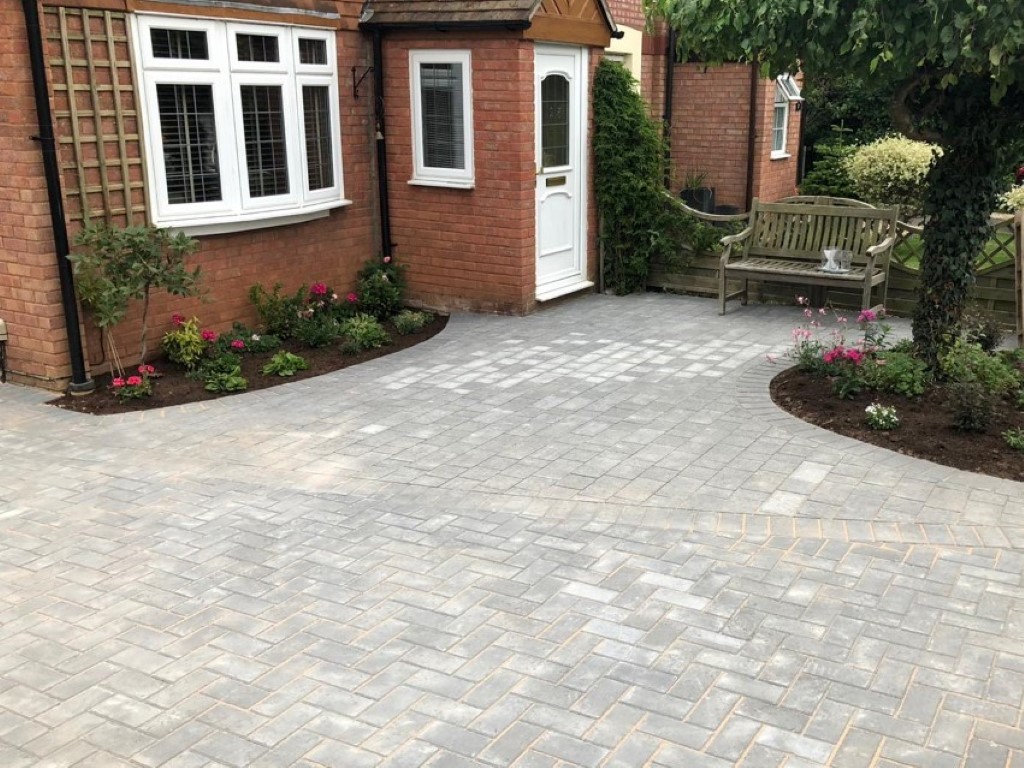

Many Lincoln homeowners find their existing driveway too small for growing families or multiple vehicles. Extending your driveway can provide valuable additional parking without the cost of creating an entirely new surface.
Before committing to a driveway extension, consider the available space on your property. Check your boundaries carefully and ensure any extension won’t encroach on neighbouring land or breach local planning requirements. Many homeowners find that consulting experienced contractors helps ensure compliance with all regulations.
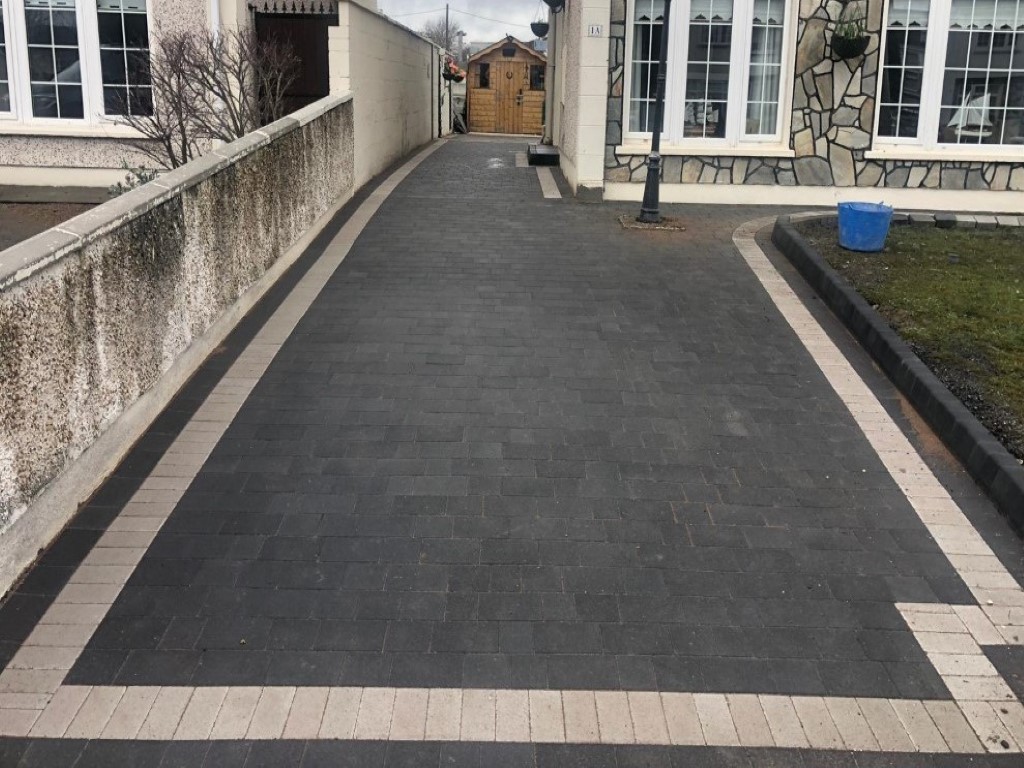
Questions to Ask Your Contractor
- Will the new section match the existing driveway material and appearance?
- How will you ensure proper drainage across the extended area?
- Do I need planning permission for the size of extension I want?
- Can the existing foundation support the additional load?
- What’s the cost difference between matching materials versus complementary options?
Key Considerations Before Starting
The condition of your existing driveway affects extension options. If the current surface shows significant wear or structural issues, you might need repairs before extending to ensure a stable, uniform result.
Drainage becomes more complex with extensions. Your contractor should assess how additional hard standing will affect water runoff and ensure proper falls direct water away from your property and neighbours.
Material Matching Challenges
Achieving a perfect match with existing materials can be difficult, especially with older driveways. Weather exposure changes the appearance of surfaces over time, making new additions stand out initially.
Some contractors recommend complementary materials that coordinate rather than match exactly. This approach can actually enhance your driveway’s appearance while being more cost effective than sourcing exact material matches.