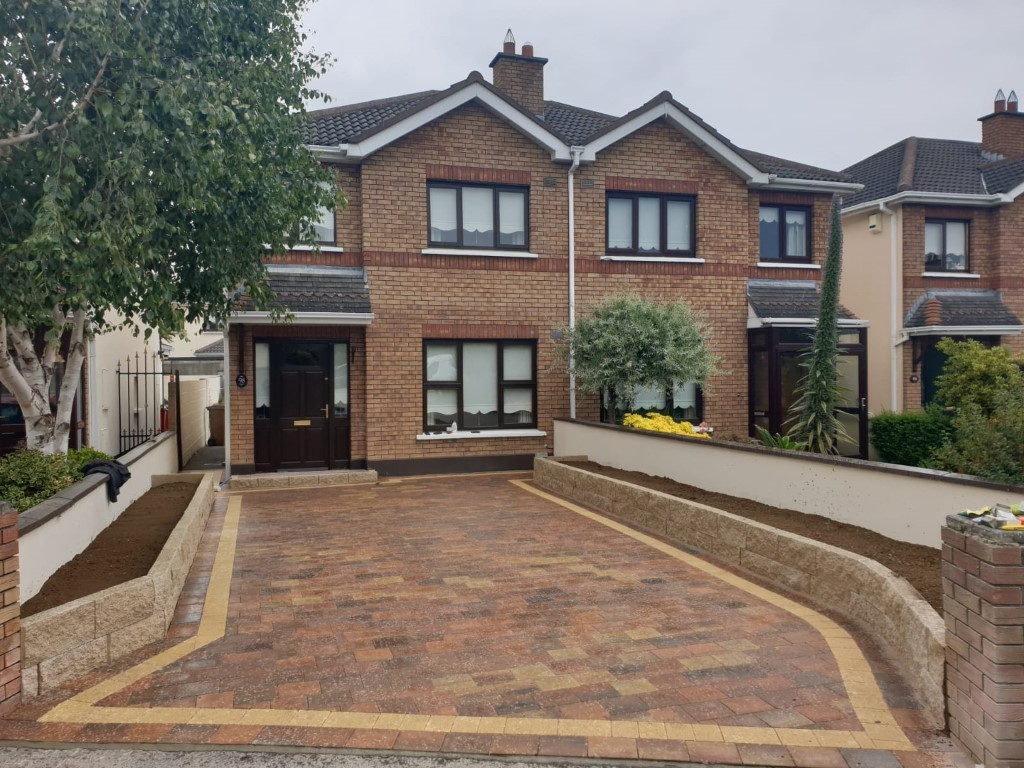

The jointing material you choose for your block paving makes an enormous difference to both the appearance and longevity of your driveway or patio. Getting this decision right from the start will save you countless hours of maintenance later.
Kiln dried sand is the traditional choice that has been used for decades. This fine, moisture-free sand fills the joints between blocks and creates a stable surface when properly compacted. The sand allows for slight movement and is easy to top up when needed.
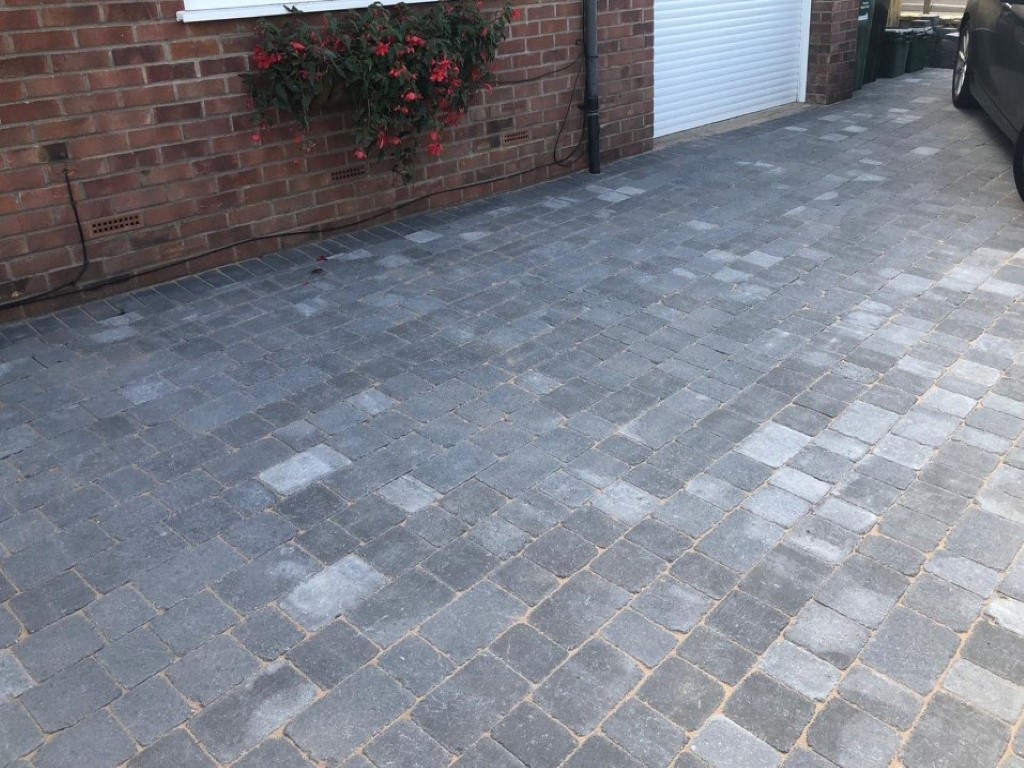
Polymeric jointing sand contains special binding agents that activate when water is applied. Once cured, it creates a semi-rigid joint that resists weed growth and insect infiltration far better than traditional sand.
Benefits of Kiln Dried Sand
- Lower initial cost and widely available
- Easy to apply and requires no special tools
- Allows natural drainage between blocks
- Simple to repair and top up over time
- Permits easy block removal for repairs, though professional repair services ensure lasting results
Advantages of Polymeric Jointing
- Superior weed prevention and resistance
- Excellent protection against ant infiltration
- Maintains joint stability in heavy rain
- Reduces sand washout from pressure washing
- Creates cleaner, more defined joint lines
Installation technique varies significantly between these options. Kiln dried sand requires thorough compaction with a plate compactor and multiple passes to achieve proper consolidation. Polymeric sand needs precise application and controlled water activation.
Consider your specific circumstances carefully. Properties with established ant problems or heavy weed pressure benefit enormously from polymeric jointing. Areas with complex drainage requirements may favour traditional sand for its superior permeability. If you’re planning to extend your existing driveway, you’ll want to ensure consistent jointing throughout the entire surface.